Web Development
When Does Your Business Actually Need a Mobile App?
For organizations reaching certain growth stages, mobile applications can dramatically improve efficiency, customer retention, and long-term scalability.

Capitol Editorial
April 7, 2026
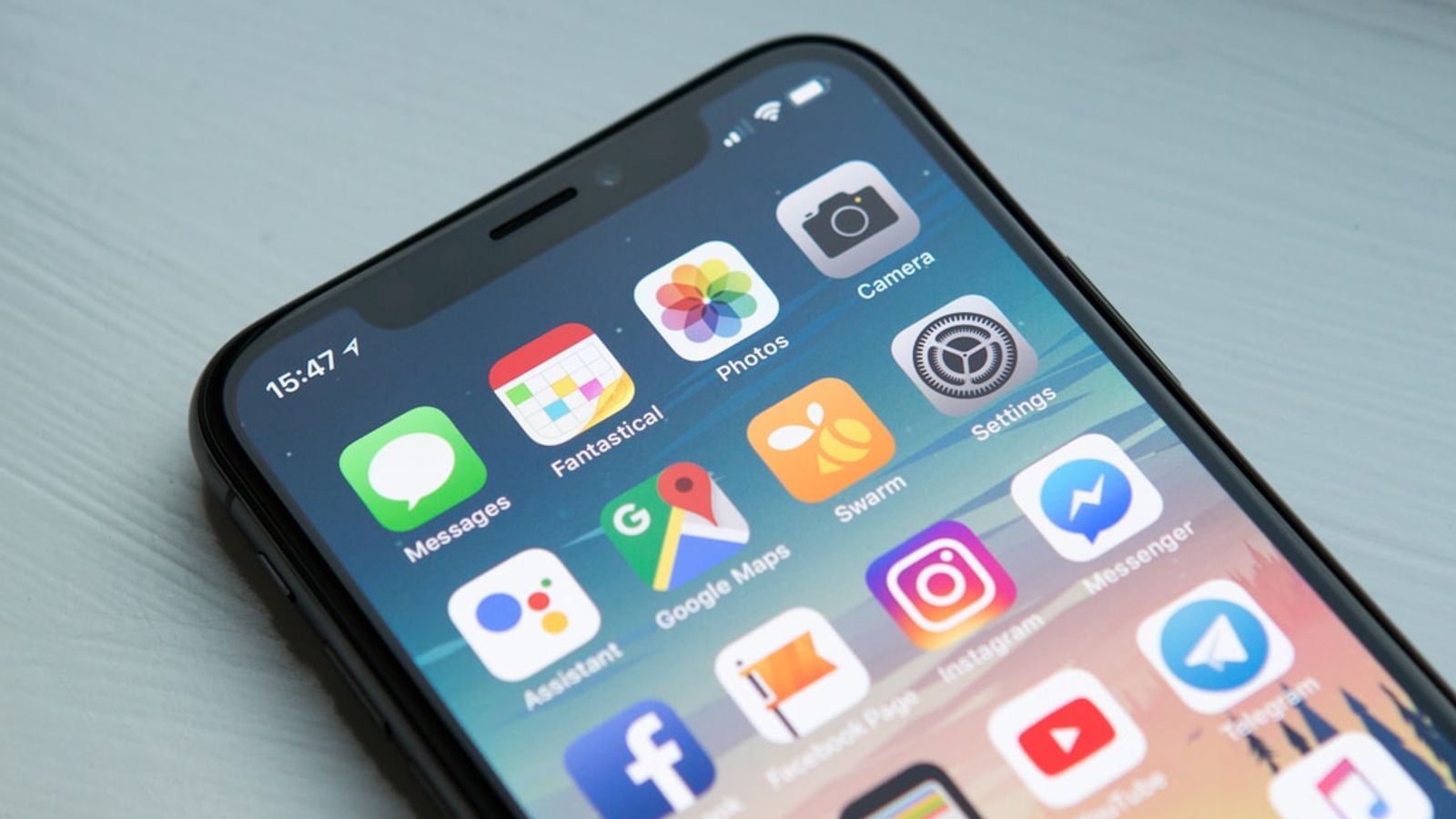
Over the past decade, mobile applications have transitioned from luxury digital products to essential business tools across multiple industries. Companies ranging from healthcare providers and logistics firms to retail brands and service-based organizations now rely on mobile platforms to strengthen customer relationships and streamline operations.
Despite growing adoption, one important question remains misunderstood:
Does every business actually need a mobile app?
The answer is no.
However, for organizations reaching certain growth stages, mobile applications can dramatically improve efficiency, customer retention, and long-term scalability. Understanding when app development becomes a strategic investment — rather than an unnecessary expense — allows businesses to make smarter technology decisions.
The Shift Toward Mobile-First Customer Behavior
Consumer behavior has fundamentally changed.
Mobile devices are now the primary method through which customers research services, communicate with companies, schedule appointments, and manage purchases. Convenience has become a defining factor in purchasing decisions.
Customers increasingly expect businesses to provide frictionless digital experiences accessible directly from their phones.
Websites remain critical, but mobile applications introduce an additional layer of accessibility and engagement that browsers alone cannot replicate.
Apps allow businesses to exist persistently within customers' daily digital environments rather than requiring repeated discovery through search or advertising.
This continuous presence creates significant competitive advantage.
Understanding the Difference Between a Website and a Mobile App
Many organizations assume mobile apps simply replicate website functionality. In reality, successful applications serve different operational purposes.
Websites primarily support discovery and information sharing.
Mobile applications support engagement, retention, and operational interaction.
Apps excel when businesses require ongoing user interaction rather than occasional visits.
Examples include:
- Customer portals
- Service scheduling platforms
- Membership ecosystems
- Internal workforce tools
- Loyalty programs
- Real-time communication systems
When interaction frequency increases, mobile applications often become more efficient than browser-based solutions.
Signs Your Business May Benefit From a Mobile App
Certain business conditions strongly indicate readiness for mobile development.
Frequent Customer Interaction
Businesses engaging customers regularly benefit significantly from app accessibility. If users repeatedly log in, schedule services, or access information, an application simplifies engagement while improving experience.
Industries such as fitness, healthcare, home services, education, and subscription-based businesses frequently fall into this category.
Operational Complexity
As organizations grow, managing operations manually becomes increasingly difficult.
Mobile apps allow companies to streamline internal workflows including employee coordination, service tracking, inventory updates, and communication management.
Custom internal applications often improve productivity more than external marketing investments.
Customer Retention Challenges
Acquiring customers is expensive. Retaining them is significantly more profitable.
Mobile apps strengthen retention through features such as push notifications, personalized dashboards, and direct communication channels.
Businesses maintaining consistent engagement reduce reliance on paid advertising for repeat business.
Data and User Behavior Insights
Applications provide valuable behavioral insights unavailable through traditional platforms.
Businesses gain understanding of how customers interact with services, which features receive engagement, and where friction exists within user experiences.
These insights inform smarter decision-making across marketing and operations.
When a Mobile App Is Not the Right Move
While apps offer advantages, premature development can create unnecessary complexity.
Organizations may not benefit from mobile applications if:
- Customer interaction is infrequent
- Services are transactional rather than ongoing
- Operational processes remain simple
- Website performance still requires optimization
In many cases, improving website infrastructure or automation systems delivers greater immediate value.
Strategic evaluation ensures technology investment aligns with real business needs.
Custom Development vs. Prebuilt App Solutions
Businesses considering app development often encounter low-cost builders promising rapid deployment.
While suitable for basic functionality, prebuilt platforms typically limit scalability, integrations, and performance customization.
Custom development allows applications to align directly with business workflows and long-term objectives.
Custom apps support:
- CRM integration
- Automation workflows
- Secure data environments
- Scalable feature expansion
- Advanced analytics tracking
Capitol Content approaches mobile development by identifying operational challenges first, ensuring applications solve meaningful business problems rather than adding digital complexity.
Mobile Apps as Revenue Drivers
Well-designed applications frequently introduce new revenue opportunities.
Businesses may implement subscription models, premium features, streamlined purchasing systems, or service automation that reduces operational costs.
Additionally, apps strengthen brand loyalty by creating exclusive user environments inaccessible through competitors' platforms.
Companies leveraging mobile ecosystems often experience increased lifetime customer value alongside improved engagement consistency.
Integration With Marketing and Automation Systems
Mobile applications perform best when integrated within broader digital ecosystems.
Apps connect seamlessly with marketing automation, CRM platforms, analytics dashboards, and communication tools.
This integration allows businesses to maintain unified customer experiences across every interaction channel.
Marketing campaigns, customer updates, and service notifications operate cohesively rather than independently.
Capitol Content designs applications as extensions of business infrastructure rather than isolated technology products.
Security and Scalability Considerations
As digital interaction increases, data security becomes critical.
Professional development ensures applications meet modern security standards while maintaining performance reliability.
Scalability also plays an essential role.
Businesses should build platforms capable of evolving alongside growth rather than requiring replacement as demand increases.
Strategic development reduces long-term technology costs while supporting expansion.
The Competitive Advantage of Mobile Accessibility
Companies adopting mobile solutions gain advantages difficult for competitors to replicate quickly.
Direct communication channels eliminate reliance on third-party platforms. Customers interact with brands instantly without navigating search engines or social feeds.
This accessibility strengthens relationships while improving operational efficiency.
In increasingly competitive markets, convenience often determines customer loyalty.
Mobile Applications as Long-Term Infrastructure
The most successful organizations view mobile applications not as marketing experiments but as operational infrastructure.
Apps support engagement, streamline services, and create scalable systems capable of adapting to future technological advancements.
Businesses investing strategically in mobile platforms position themselves for continued innovation as digital expectations evolve.
The question is not whether mobile technology will influence business growth.
It is whether organizations are prepared to leverage it effectively.